End of lease pest control is a common requirement in rental agreements across Victoria. Whether you’re a tenant preparing to move out or a landlord organising the next tenancy, understanding your responsibilities can help avoid disputes, delays and bond issues.
Professional end of lease pest control ensures the property is clean, compliant and ready for new occupants.
What Is End of Lease Pest Control?
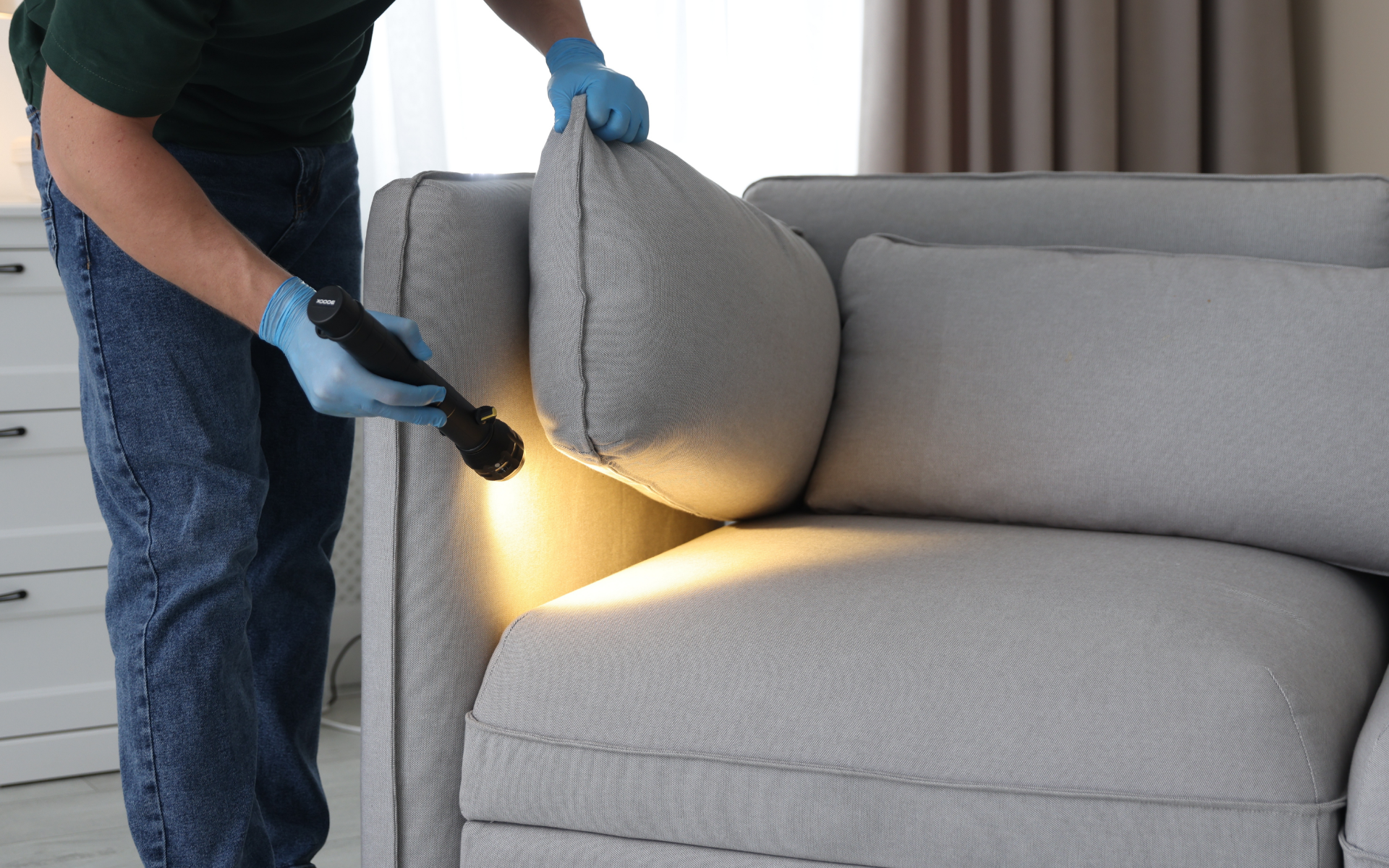
End of lease pest control involves a professional treatment carried out before a tenant vacates a rental property. It is designed to:
-
Eliminate common household pests
-
Prevent infestations from carrying over to new tenants
-
Meet rental agreement conditions
-
Support final inspection requirements
It is most commonly required where pets have been kept at the property, but some agreements include pest treatment as a standard exit condition.
Who Is Responsible for Pest Control at the End of a Lease?
Responsibility depends on the tenancy agreement and the condition of the property.
Tenant Responsibility
In many cases, tenants are responsible for end of lease pest control if:
-
Pets were kept at the property
-
The tenancy agreement specifies pest treatment as a condition
-
An infestation was caused by hygiene or neglect
Tenants are often required to provide a receipt from a licensed pest control provider as proof of treatment.
Landlord Responsibility
Landlords are typically responsible if:
-
Pest issues existed prior to the tenancy
-
The infestation is due to structural issues
-
The property has an ongoing pest problem unrelated to tenant behaviour
Clear communication between property managers, tenants and landlords is important to determine responsibility early.
Why Professional Pest Control Is Important
DIY sprays or supermarket treatments are rarely sufficient for end of lease requirements. Property managers and landlords usually require professional documentation confirming that pest treatment has been completed.
Professional end of lease pest control helps:
-
Protect the tenant’s bond
-
Ensure compliance with lease terms
-
Prevent complaints from incoming tenants
-
Reduce the risk of recurring infestations
Common Pests Treated at End of Lease
Typical end of lease pest treatments target:
-
Fleas (particularly where pets were present)
-
Cockroaches
-
Ants
-
Spiders
In some cases, rodent activity may also need to be addressed.
When Should End of Lease Pest Control Be Booked?
Pest control should be scheduled:
-
After the property has been fully cleaned
-
Before the final inspection
-
Close to the handover date to ensure coverage
Booking early helps avoid last-minute issues that could delay the bond return process.
End of Lease Pest Control Across Victoria
Rossy Pest Services provides professional end of lease pest control across Geelong, Ballarat, Melton, the Surf Coast, the Bellarine Peninsula and North & West Melbourne.
We work with:
-
Tenants
-
Landlords
-
Property managers
-
Real estate agencies
Our services include targeted treatments, compliance documentation and reliable scheduling to meet move-out deadlines.
Protect Your Bond and Your Property
End of lease pest control is a simple step that helps ensure a smooth transition between tenants. Whether you’re moving out or preparing a property for new occupants, professional pest treatment provides peace of mind for all parties involved.
If you need reliable end of lease pest control in Victoria, contact Rossy Pest Services to arrange a professional service tailored to your rental property.